

Creating art from an unhealed place is a complex and nuanced experience. It’s a delicate balance between using art as a means of self-expression and channeling unresolved pain or trauma, versus using art as therapy—an intentional and conscious process that seeks healing and growth. The difference lies in the purpose behind the creation and the way the art is approached. Art created from an unhealed place often becomes a reflection of internal turmoil, while art as therapy can help transform that turmoil into something more cohesive and empowering. Let’s explore both aspects, and how they intersect in meaningful ways.
1. Art as Therapy vs. Art as a Cry for Help
Art as Therapy: When art is used as therapy, it serves a transformative purpose. The artist approaches the creative process with the intention of healing or understanding their inner world. It becomes a safe space to confront painful emotions, to release bottled-up feelings, or to make sense of complex psychological landscapes. The artist might not consciously know what will emerge in their work, but they trust the process to guide them toward emotional insight or relief.
Art as therapy doesn’t just seek to express pain—it also actively seeks resolution, growth, or clarity. The artist may use their medium to give form to emotional or psychological blocks, and through the act of creation, they allow these blocks to be transformed. This process doesn’t necessarily mean the work is created with a “positive” or “resolved” outcome in mind; rather, the focus is on the emotional release and the therapeutic journey. The work may still feel raw, intense, or unresolved, but the creator feels a sense of release or lightness once it’s been externalized.
Art as a Cry for Help: When art is created from an unhealed place without the therapeutic intention, it often becomes a form of communication or expression of pain. It is a way of showing the world that something is wrong, or that there is inner suffering that has yet to be processed. This kind of art might be dark, chaotic, or desperate in nature—intended not so much for personal growth, but as a call for recognition, understanding, or attention.
While this kind of work can be deeply honest and powerful, it often leaves the artist feeling stuck or trapped in their pain. The goal may not be to heal but simply to externalize or give voice to suffering. Without conscious healing, this type of artwork can be draining both for the artist and the audience, leaving behind a sense of unresolved tension rather than resolution.
2. Ways to Create Art from an Unhealed Place
Even when creating from an unhealed place, art can still serve as a catalyst for emotional release and exploration. If you’re using art as a way to express unresolved feelings or trauma, there are ways to ensure the process doesn’t become self-destructive but instead helps you move through your emotions:
-
Create with Awareness: Understand that while you may be creating from an unhealed place, you are still actively engaging with your emotions. This awareness helps you not to get lost in the pain, but rather to observe and express it. The goal is not to stay in that emotional place but to allow it to flow through you and be released onto the canvas, paper, or other medium.
-
Set Boundaries: When you know you’re working from a place of emotional unrest, it’s important to set boundaries for yourself. Art can be intense, and without boundaries, you risk overwhelming yourself or deepening the pain. Allow yourself to create in shorter sessions or with breaks, so you don’t become engulfed in your emotional state.
-
Use Your Medium to Release: Different artistic mediums can serve as an outlet for different emotions. For example, writing may allow you to articulate your innermost thoughts and stories, while painting might help you express your feelings visually, giving color and texture to your emotions. Choose the medium that feels right for what you’re processing, and be open to experimenting with new forms of expression.
-
Let Go of the Need for Perfection: When you’re creating from an unhealed place, it’s important to let go of any judgment or perfectionism. Your art doesn’t need to make sense, look good, or even have a clear structure. The beauty of this process lies in the freedom to simply create for the sake of creating and releasing.
-
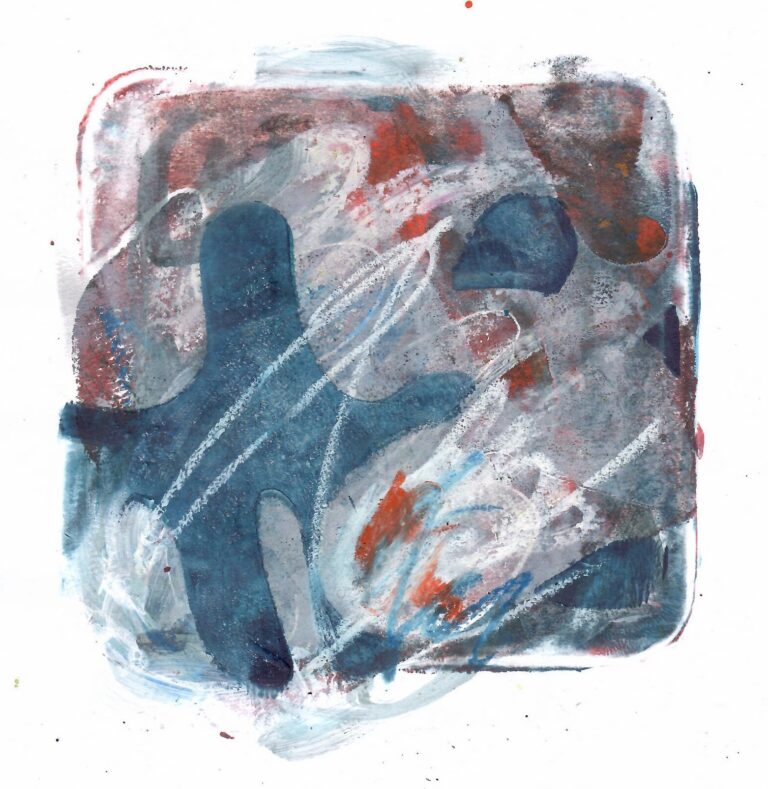
Honor the Chaos: Sometimes, creating art from an unhealed place means accepting the chaos and discomfort that comes with it. You may find yourself moving through a whirlwind of emotions, and the artwork will reflect that. Rather than trying to force order, embrace the messiness. This is where raw, authentic emotion finds its voice.
3. Interpreting Art Created from an Unhealed Place
Whether your art is made as a form of therapy or as a cry for help, it often reveals hidden layers of your unconscious mind. Interpreting art created from an unhealed place requires a deep understanding of the self, and a compassionate willingness to observe what is emerging from within. Here’s how you can interpret such art:
-
Look for Patterns and Symbols: In art, symbols, colors, and shapes often reveal deeper meanings that may not be immediately apparent. These symbols can act as a mirror for your internal world, reflecting parts of yourself that you may not fully understand. For instance, recurring imagery of darkness or chaos may symbolize unprocessed pain, while vibrant colors might reflect bursts of hope or emotional release. Look at what emerges in your work and try to relate these elements to your personal experiences or current emotional state.
-
Avoid Overanalyzing: It’s easy to get caught in the intellectualizing process of interpreting art, but it’s essential to avoid overanalyzing or forcing meaning onto your work. Sometimes, the message in art is not something that can be captured in words—it’s something that needs to be felt. Let the art speak to you in its own language, without demanding that it fit into a predefined narrative.
-
Observe Your Emotional Response: Pay attention to how you feel when you look at your art or the art of others created from an unhealed place. Your emotional reaction can offer valuable insight into what the piece represents. If you feel discomfort, sadness, or anger, this could point to the presence of unresolved emotions within the work. Alternatively, if you experience a sense of release or clarity, it might indicate that the artwork is helping you process these emotions.
-
Embrace the Healing Power of Art: Remember that art created from an unhealed place still holds the potential for healing. Even if the artwork feels raw or uncomfortable, it can provide a transformative space for emotional expression. Let yourself acknowledge the feelings, and know that creating or viewing such art is a step toward understanding and processing what needs to be healed.
4. Artists Who Thrived in Unhealed States
There are many renowned artists who created work from places of inner turmoil and pain, often using their emotional states as a source of creative inspiration. Their stories highlight the possibility of using art to transform suffering and channel it into something meaningful:
-
Frida Kahlo: Kahlo’s art was deeply influenced by her physical and emotional pain. She expressed her suffering from childhood illnesses, a traumatic accident, and a tumultuous marriage through vivid, symbolic paintings. Her works, often highly personal and full of symbolic imagery, became a form of therapy that allowed her to cope with and transcend her pain.
-
Edvard Munch: Munch’s iconic work The Scream is a prime example of creating art from an unhealed place. Munch’s early life was marked by death, illness, and trauma, and his work expresses a deep existential angst. His exploration of human emotion, fear, and vulnerability became both a personal catharsis and a universal expression of the human condition.
-
Vincent van Gogh: Van Gogh’s mental health struggles were well documented, and his art reveals a mind in turmoil. However, his use of bold color and emotional intensity in his paintings not only captured his internal chaos but also led to some of the most celebrated works of art in history. His art was a method of expression and healing, despite the personal anguish he faced.
Conclusion: Art as a Bridge Between Pain and Healing
Art created from an unhealed place can be a powerful tool for self-expression, emotional release, and even healing. Whether it’s a therapeutic practice or a cry for help, the act of creating provides a means to externalize emotions that are otherwise difficult to articulate. By embracing the messy, unrefined, and raw nature of this creative process, artists can move through their pain and eventually arrive at deeper self-awareness, growth, and transformation. The act of creating from an unhealed place, when approached with intention, offers the potential not just for artistic expression but for profound personal healing.
 English