
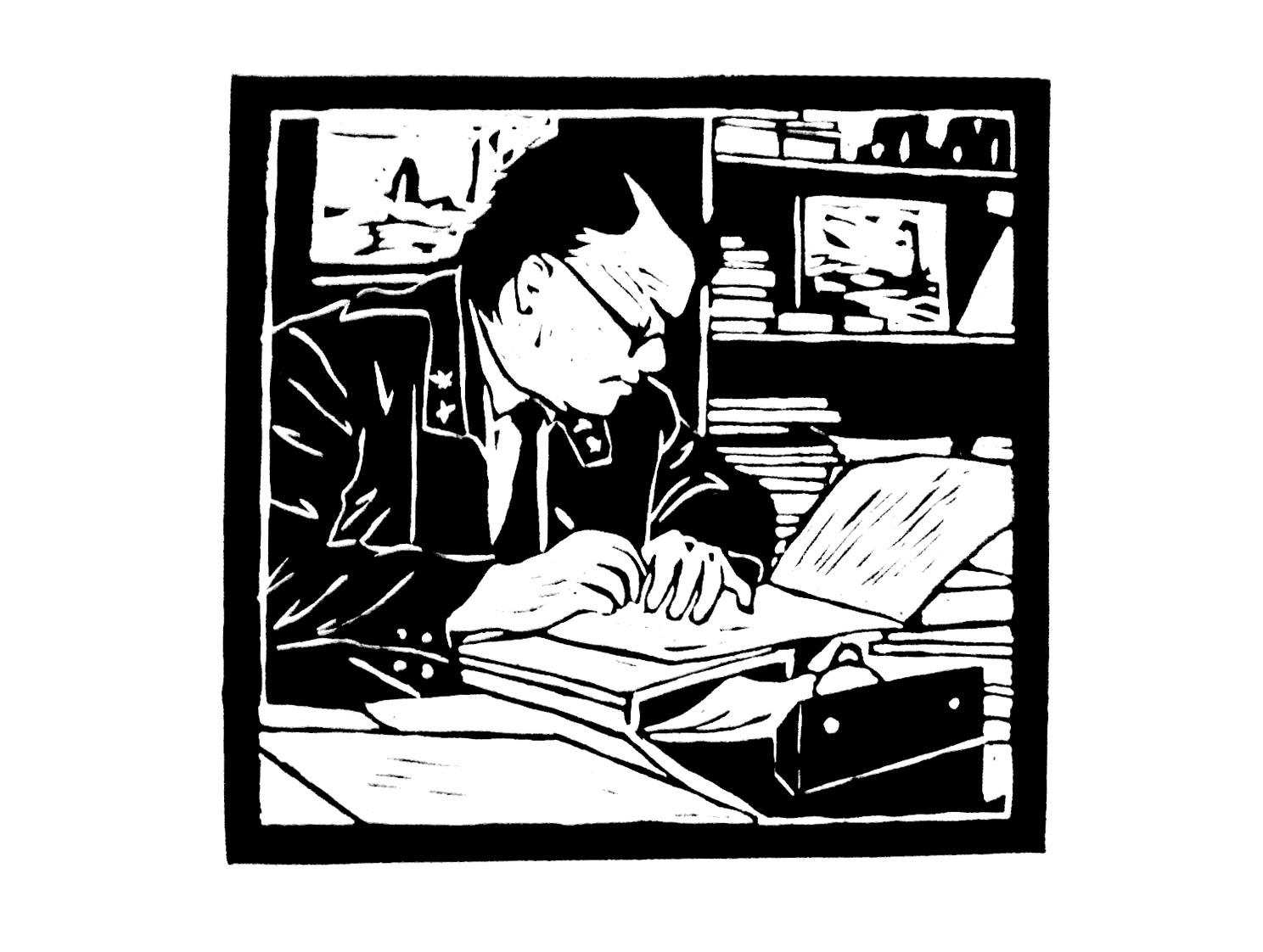

Are you looking to start linocutting?
If you’ve ever admired the bold, textured designs of linocut prints, you might be surprised to learn that creating your own is easier than you think! Linocut is a versatile, beginner-friendly printmaking technique that lets you transform simple designs into stunning works of art. This guide will walk you through the basics and recommend essential tools to kickstart your linocut journey.
What is Linocut?
Linocut is a printmaking technique where a design is carved into a linoleum block. The raised (uncarved) areas are inked and pressed onto paper or fabric to create a print. It’s perfect for beginners because linoleum is soft and easy to carve, requiring minimal equipment to get started.
What You Need to Begin
Here’s a list of must-have tools and materials for linocut beginners:
- Linoleum Block
- Choose a soft linoleum block for easier carving.
- Affiliate recommendation: Speedball Linoleum Block .
- Carving Tools
- A set of carving tools with various blade shapes is essential for creating different textures and details.
- Affiliate recommendation: Essdee Linocut Carving Tool Set.
- Ink
- Water-based block printing ink is easy to clean and perfect for beginners.
- Affiliate recommendation: Speedball Block Printing Ink.
- Brayer (Roller)
- A brayer ensures even application of ink on your linoleum block.
- Affiliate recommendation: Speedball Soft Rubber Brayer.
- Paper
- Printmaking paper works best, but you can experiment with other types too.
- Affiliate recommendation: Strathmore Printmaking Paper Pad.
- Bench Hook or Carving Mat
- Protect your workspace and hold the linoleum block steady while carving.
- Affiliate recommendation: Essdee Bench Hook/Ink Tray.
How to Get Started: Step-by-Step Guide
- Draw Your Design
- Start with a simple design. Use a pencil to sketch it directly onto the linoleum block or transfer your drawing with tracing paper.
- Carve the Block
- Use your carving tools to remove the areas you don’t want to print. Practice with small cuts and experiment with textures.
- Apply Ink
- Roll a thin layer of ink onto the block using a brayer. Make sure the ink covers the raised areas evenly.
- Make the Print
- Place your paper on top of the inked block. Use a baren or the back of a spoon to press evenly. Carefully lift the paper to reveal your print.
- Experiment and Refine
- Test different paper types, ink colors, and carving techniques to develop your unique style.
Tips for Beginners
- Start Simple: Begin with basic shapes or patterns to get comfortable with the tools.
- Work Slowly: Linocut is a deliberate process—take your time to avoid mistakes.
- Practice Safety: Always carve away from your hands and use proper tools to secure the block.
- Clean Your Tools: Wash your brayer and carving tools after each use to maintain their quality.
Recommended Starter Kits
For beginners, an all-in-one linocut kit is a great way to get started. Here are some top recommendations:
Conclusion
Linocut is a rewarding hobby that combines creativity and craftsmanship. Whether you want to create art prints, greeting cards, or personal gifts, this versatile medium has endless possibilities. With the right tools and a bit of practice, you’ll be making impressive prints in no time!
Ready to dive in? Check out our recommended linocut kits and tools here to start your journey today.
Would you like me to customize this article further or provide images to complement it?
Here are a few Temu starter kits:


 English