

To exist as an artist is not merely a matter of creating things—it’s about embodying a state of being that reflects both an inner and outer transformation. It’s a journey where chaos and clarity, creation and destruction, joy and suffering intermingle. This path is not linear, nor is it always easy to navigate. But it is essential to understand that being an artist is less about external approval and more about an internal alignment with your soul’s deepest expression.
1. Embrace Your Inner Chaos
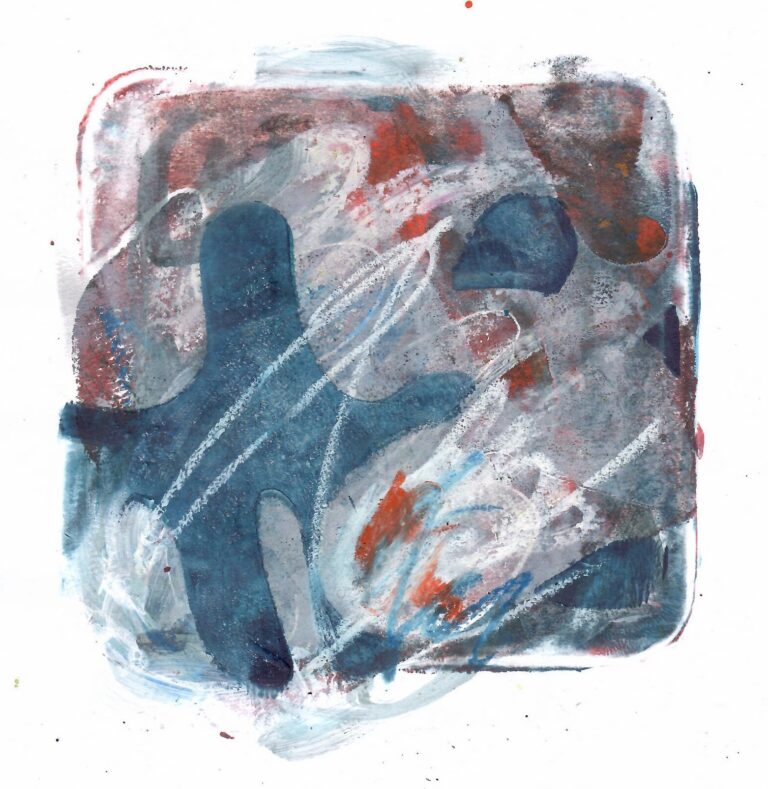
To truly exist as an artist, you must first embrace the chaos within you. Art is not created in perfect conditions—often, it is born out of turmoil, conflict, and the unexplored parts of your psyche. This chaos is where the raw material for creation lies. Jung speaks of the unconscious as a vast, untapped source of potential, full of archetypes, symbols, and emotions that yearn to be brought into form. When you create, you are often making sense of your own inner turmoil, or you are giving voice to something that has no words.
Embrace the discomfort that comes with this chaos. The journey of an artist is not about achieving perfection or control. Instead, it is about surrendering to what comes up when you allow yourself to simply be. Don’t shy away from the mess; it’s from this disorder that the clearest truths emerge.
2. Accept the Path of the Unseen and the Unknown
Being an artist means accepting that the answers are never fully clear. There is a spiritual quality to creation—a liminal space where you step into the unknown each time you begin a new piece. This space is sacred, where the veil between what is real and what is imagined, between the conscious and the unconscious, is at its thinnest. In this space, there are no definitive answers. It’s where you must trust in the process, not in the outcome.
You create not because you know exactly what you’re doing, but because you are willing to embrace what is invisible, mysterious, and unknowable. Like the alchemists of old, you mix ingredients, throw them together, and wait for a magical transformation to occur. You trust that the act of creation will lead you to places of understanding that logic and reason could never reveal.
3. Move Beyond External Validation
An artist who exists purely to please others or seek approval is not fully alive in their creative truth. While feedback and recognition can be wonderful, they must not be the core motivation behind your work. The heart of being an artist is about creating what you need to express—what is deep within your soul, begging to be brought into the world.
In a world full of judgment and external expectations, the artist must learn to distance themselves from the need for validation. You create because you must. Whether anyone notices or not, the act of creation is sacred. Your worth as an artist is not defined by external approval or accolades—it is defined by your unwavering commitment to bring your inner world to life.
4. Acknowledge the Spiritual Nature of Art
Art is inherently spiritual. It is a reflection of your soul’s journey and the deep connection between your consciousness and the larger universe. Many artists, throughout history, have acknowledged this connection—whether consciously or unconsciously. From the surrealists like Salvador Dalí to contemporary spiritual artists, the act of creating is seen as a form of communion with the divine, the unseen forces of the universe, or the higher self.
Being an artist is to align yourself with a greater force that transcends the limitations of the ego. When you create, you are not just expressing yourself—you are tapping into something larger than yourself, a creative flow that links you to the eternal. This connection to the spiritual allows you to bring forth works that resonate on a deeper level, that speak to the shared human experience, or that invoke feelings and ideas words alone cannot express.
5. Honor the Role of Madness and the Underworld
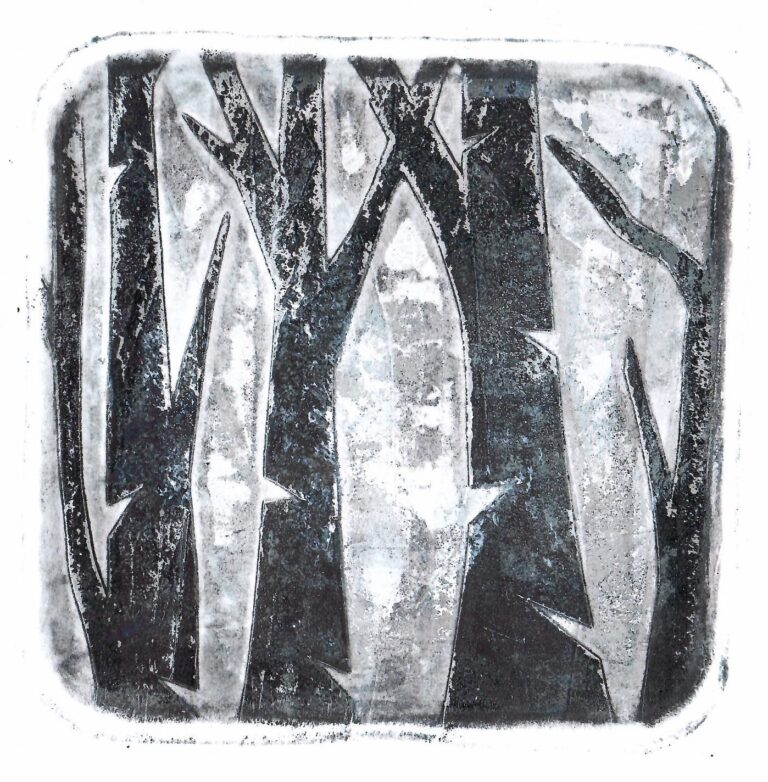
As an artist, you must walk a fine line between sanity and madness, light and darkness, known and unknown. Madness, in its creative sense, is not about losing control—it is about seeing the world through a lens that allows you to perceive what others cannot. Jung explored the importance of the shadow, that part of us that contains repressed thoughts, emotions, and desires. To be an artist is to embrace the shadow, to dive into the darker aspects of the human experience, and to transform them into something beautiful or thought-provoking.
Artists throughout history have done just this, embracing a form of madness as a filter for creativity. Van Gogh’s paintings, filled with intensity and raw emotion, reflect his personal struggles and madness. Frida Kahlo’s works are visceral and deeply tied to her pain, reflecting a spiritual communion with her suffering. These artists didn’t shy away from the chaos—they let it guide them. And in doing so, they created art that transcended ordinary human experience.
6. Live with the Understanding of Impermanence
Art, like life, is impermanent. This is one of the most difficult truths for any artist to accept. No matter how successful or beloved a piece may become, it will eventually fade—either in popularity, relevance, or physical form. To exist as an artist, you must live with the understanding that nothing is permanent. This realization frees you from the trap of perfectionism. If you let go of the fear of failure and the desire for eternal recognition, you can create with authenticity and joy.
Jung spoke of the process of individuation, the journey towards becoming your true self. Art is an essential part of this journey. It allows you to witness your own transformation, to confront and integrate your unconscious, and to express what you have learned along the way. As you evolve, so too does your art. It reflects your inner process and is itself a testament to your growth as a human being.
7. Find Your Tribe: Connection and Solitude
Being an artist doesn’t mean you must walk alone. While the path of creation often requires solitude, it is also enriched by the connections we form with others. Whether through shared experiences, collaborations, or communities, there is power in being surrounded by other creators who understand the complexity and depth of the artistic process.
Yet, even as you connect with others, you must also honor the moments of solitude that are necessary for deep reflection and uninterrupted creation. Balance both the solitary act of creation and the community that supports you. The artist is simultaneously an individual and part of a greater collective consciousness, and your work can influence the world while drawing from its energy.
8. Keep the Sacred Practice of Art Alive
Finally, to exist as an artist is to view art as a sacred practice, not just a hobby or a means to an end. It’s about maintaining a deep respect for the creative process, acknowledging it as a living force that requires discipline, focus, and reverence. Treat your art as a sacred act of communion, a form of spiritual practice, and a channel for your deepest self-expression.
This sacred practice involves creating for the sake of creation itself—not for fame, not for money, not for approval. Art is a form of personal and spiritual exploration, a way to understand yourself and your place in the world. It requires vulnerability, openness, and an unwavering commitment to the process.
Conclusion: Living as an Artist
To exist as an artist is to fully embody the human experience—both the light and the dark, the known and the unknown, the chaos and the clarity. It is a spiritual journey that transcends the physical act of creation and taps into a deeper source of being. You are not simply an artist because you make things—you are an artist because you are willing to live, feel, and express from the core of your existence, with all the messiness and beauty that entails.
Being an artist is not about fitting into societal norms or expectations. It’s about embracing your truth, following your intuition, and allowing the process of creation to guide you to places of deep personal and spiritual discovery. It’s about becoming both the creator and the created, forging a path that is uniquely your own, and finding meaning in the journey itself.
To be an artist is to walk a path of transformation. And when you fully step into this role, you become part of something greater than yourself—a flow of creativity that is both timeless and eternally evolving.
 English