
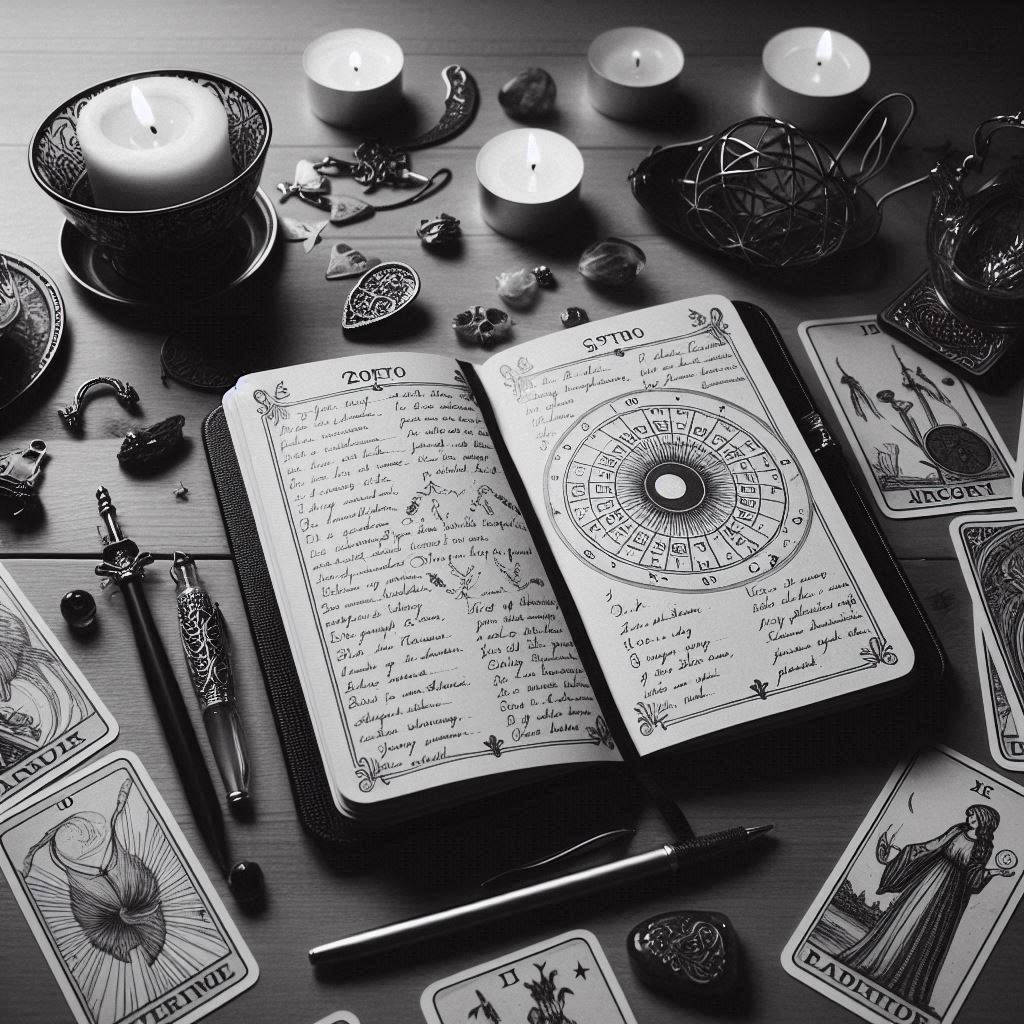

In a world that moves fast and demands constant engagement, journaling offers a rare sanctuary—a space where thoughts settle, emotions find clarity, and creativity takes form. For many creative individuals on a spiritual journey, journaling is more than a habit; it is a tool for self-discovery. But beyond reflection and personal insights, there is a deeper realm where journaling transforms into something greater: the realm of archetypes. This is the stage where the private becomes universal, and expression shifts from self-exploration to something worth sharing.
The Power of Journaling in Self-Discovery
Journaling begins as an intimate practice, a way to explore inner landscapes without judgment. It allows you to process emotions, articulate ideas, and document your evolution. Whether you write, sketch, or blend words with visuals, journaling is an act of creation—a raw and authentic dialogue with yourself.
For those on a path of self-awareness, journaling becomes a mirror reflecting personal truths. It helps to uncover patterns, limiting beliefs, and hidden aspirations. Over time, these insights accumulate, revealing a bigger picture—one that transcends personal experience and touches something deeper: the archetypal.
Where Journaling Meets Art: The Archetypal Shift
At a certain depth, journaling evolves beyond the personal. The stories, symbols, and emotions you explore begin to echo universal themes—journeys of transformation, the search for belonging, the tension between light and shadow. This is where journaling meets art in a powerful way.
Carl Jung described archetypes as fundamental elements of the human psyche—shared patterns of experience that appear in myths, dreams, and creative expression across cultures. When your journaling practice reaches this stage, your words and images are no longer just about you; they resonate with something collective, something timeless.
This is the point where self-expression shifts from an inner dialogue to something worth sharing. The paradigm moves from searching for the self to articulating something universally human—something that others can see themselves in.
How to Use Journaling to Reach the Archetypal Stage
If you want to deepen your journaling practice and tap into this transformative space, here are a few ways to explore:
- Use Symbolism and Metaphors – Instead of writing only about events, explore the deeper meaning behind them. What symbols or recurring themes show up in your journal?
- Blend Words with Art – Incorporate sketches, collages, or abstract marks to express what words cannot. Let your journal pages be a playground for both verbal and visual language.
- Explore Universal Themes – Write about love, loss, transformation, identity, and rebirth. Reflect on these themes in your life and how they connect to the human experience.
- Engage in Freewriting – Allow your thoughts to flow without censorship. Often, the most profound insights emerge when you let go of control.
- Revisit and Reflect – Go back to old journal entries and look for patterns. What recurring emotions or symbols appear? What stories keep resurfacing?
Choosing the Right Journal for Your Journey
To support your creative and spiritual journey, choosing the right journal matters. Whether you need a guided journal to spark inspiration, a free-form space for deep reflections, or a creative ideas journal to explore artistic expression, you’ll find the perfect fit.
Ready to take your journaling practice to the next level? Explore our collection of journals designed for creatives and seekers. Whether you’re beginning your self-discovery journey or ready to explore archetypal themes, there’s a journal waiting for you.
Shop Now and find the journal that speaks to your creative soul.
 English