
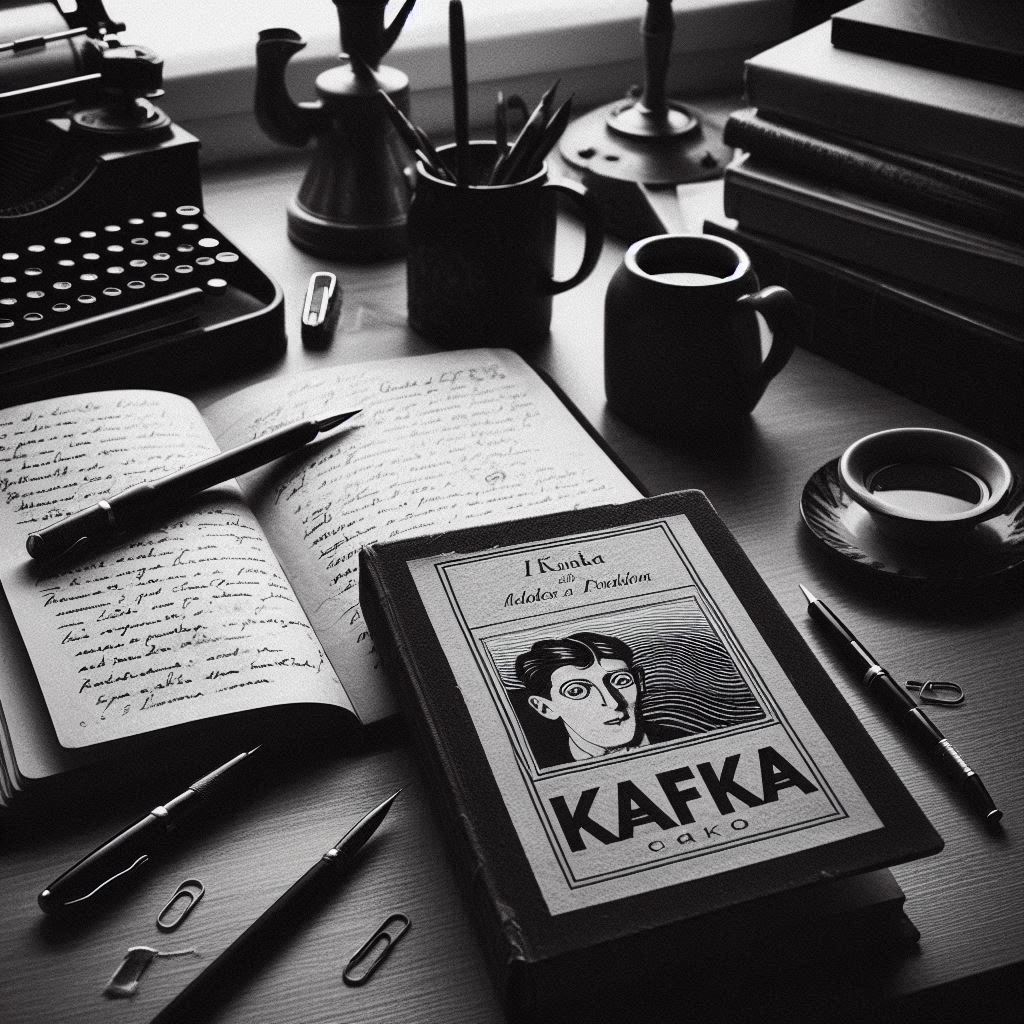

Throughout history, many great artists, writers, and philosophers have maintained intimate journals—private spaces where they recorded their innermost thoughts, struggles, and creative processes. These journals often reveal aspects of their personalities and artistic journeys that their public works do not. Figures like Jeni Acterian, Mircea Eliade, Emil Cioran, and many others have left behind diaries that provide not only autobiographical insights but also deep philosophical reflections, raw emotions, and creative inspirations.
Jeni Acterian: The Diary of a Lost Generation
Jeni Acterian, an intellectual and theater director from Romania, is best known for her deeply introspective diary, published posthumously. Her journal, spanning from adolescence to adulthood, offers a rare glimpse into the existential anxieties and intellectual passions of a young woman navigating the cultural and philosophical turmoil of the early 20th century. Acterian’s writings blend an acute sense of observation with philosophical musings, chronicling her relentless search for meaning, her disillusionments, and her experiences with love, solitude, and literature. Her diary is not merely a personal account but a testament to the spiritual and intellectual struggles of an entire generation. I read her diary at least once a year.
Mircea Eliade: The Scholar’s Inner Dialogue
Mircea Eliade, one of the most influential historians of religion and a prolific writer, kept detailed journals throughout his life. His diaries reveal his profound preoccupation with mythology, spirituality, and the human search for transcendence. Beyond his academic work, Eliade’s journal is a deeply personal record of his intellectual evolution, his encounters with different cultures, and his reflections on exile and identity. It captures his philosophical inquiries, his creative process, and his existential dilemmas, making it an essential companion to his more formal writings.
Emil Cioran: The Philosopher of Despair
Emil Cioran, known for his pessimistic and aphoristic style, also left behind journals that offer a raw and unfiltered view of his internal world. Unlike his published works, which often bear the mark of calculated literary craftsmanship, his diaries reveal the spontaneous flow of his thoughts—his battles with insomnia, his reflections on mortality, and his relentless critique of human existence. Cioran’s journals serve as a laboratory for his ideas, a space where he experimented with his unique style of nihilistic philosophy before shaping it into the polished aphorisms for which he became famous.
The Role of Journals in Artistic Creation
For these thinkers and many others, keeping a journal was not just a habit but an essential part of their creative process. A journal provides a space for raw, unfiltered thought—a refuge from public scrutiny where an artist can be brutally honest with themselves. It becomes a playground for ideas, a confessional, and a mirror reflecting the depths of their psyche. Many writers and artists use journals as a way to process emotions, refine philosophical insights, and document personal and historical events that shape their work.
Other Notable Figures and Their Journals
Beyond Romanian intellectuals, many renowned figures have maintained intimate journals that continue to fascinate readers today:
- Franz Kafka – His diaries reveal his deep existential anxieties and his struggles with identity, creativity, and personal relationships.
- Virginia Woolf – Her diaries provide an invaluable look at her literary ambitions, mental health battles, and thoughts on the creative process.
- Leonardo da Vinci – His notebooks, filled with sketches, scientific observations, and personal reflections, showcase the mind of a true Renaissance genius.
- Sylvia Plath – Her journals offer a hauntingly intimate portrayal of her artistic aspirations and inner turmoil.
Writers & Poets:
- Anaïs Nin – Famous for her introspective and sensual diaries, which document her relationships, creative struggles, and self-exploration.
- Leo Tolstoy – Kept extensive journals reflecting on morality, religion, and his writing process.
- Fyodor Dostoevsky – His notebooks contain deep philosophical reflections and drafts of his novels.
- Henry David Thoreau – His journal was a mix of philosophical musings, nature observations, and personal reflections.
- Mark Twain – His journals and notebooks contain humorous and sharp observations of society.
- Marcel Proust – Kept notebooks detailing his ideas for In Search of Lost Time.
- Tennessee Williams – His diaries provide insight into his struggles with addiction, love, and writing.
- Susan Sontag – Her journals reveal her intellectual evolution and reflections on art, politics, and identity.
Philosophers & Thinkers:
- Søren Kierkegaard – His journals contain theological insights, existential reflections, and personal struggles.
- Friedrich Nietzsche – His notebooks detail the development of his radical philosophical ideas.
- Michel de Montaigne – The precursor to the modern essay, his journals blend personal reflections with philosophical musings.
- Jean-Paul Sartre – His war diaries document his existentialist philosophy and personal dilemmas.
Artists & Composers:
- Vincent van Gogh – His letters to his brother Theo functioned as an artistic and personal diary.
- Paul Klee – Kept journals detailing his artistic philosophy and creative process.
- Delacroix – His diary is a treasure trove of insights into 19th-century art and culture.
- Frida Kahlo – Her diary is filled with surreal drawings, poetry, and emotional reflections.
- Beethoven – His notebooks show his struggles with deafness and artistic ambition.
Scientists & Explorers:
- Leonardo da Vinci – His notebooks are filled with anatomical studies, engineering sketches, and philosophical musings.
- Charles Darwin – His travel journals on The Beagle influenced his theory of evolution.
- Marie Curie – Kept scientific notebooks documenting her discoveries (which are still radioactive today!).
- Lewis and Clark – Their expedition journals provided crucial insights into early American exploration.
Conclusion
The tradition of keeping an intimate journal is a powerful tool for self-exploration and artistic development. Whether they serve as an outlet for existential questioning, a workshop for creative ideas, or a historical record of personal experiences, these journals provide a window into the minds of some of history’s greatest thinkers. In reading them, we not only gain insight into their struggles and inspirations but also recognize the universality of the human experience—the desire to understand oneself and leave behind a trace of one’s inner world for future generations.

 English