
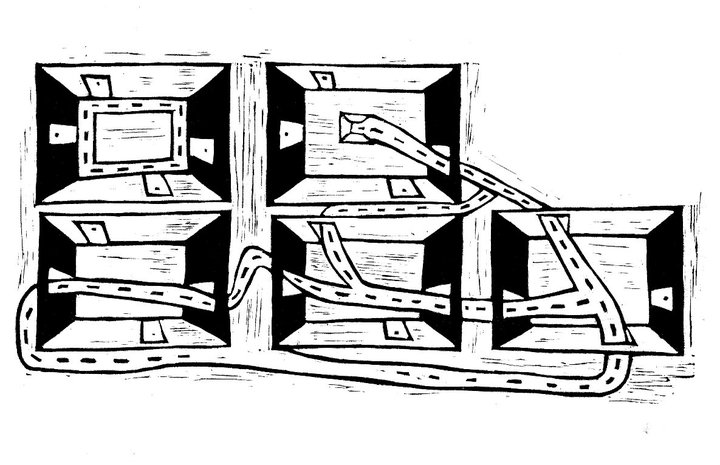

For as long as I can remember, I have felt like an outsider in my own life. The sensation of not belonging, of never quite fitting in, has been a constant shadow. This feeling was particularly vivid in my early years—always on the periphery, observing others but never fully included. It was as if there was a wall between me and the world—a wall I couldn’t quite break through.
I carried this outsider point of view into adulthood, struggling to find my roots. My name, “Aurelia,” passed down from my grandmother, always felt like a piece of my identity I couldn’t fully grasp. I never knew her story—her life, her experiences, her voice. The absence of her narrative left a void in my own understanding of who I truly was and why I was named after her. I felt disconnected, not just from my family, but from a deeper part of myself that I couldn’t quite reach.
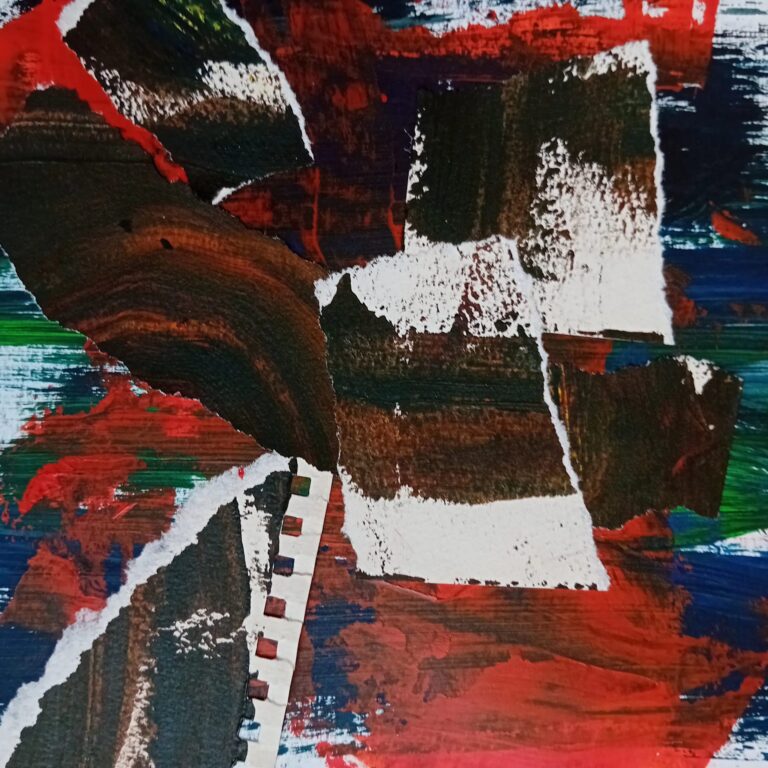
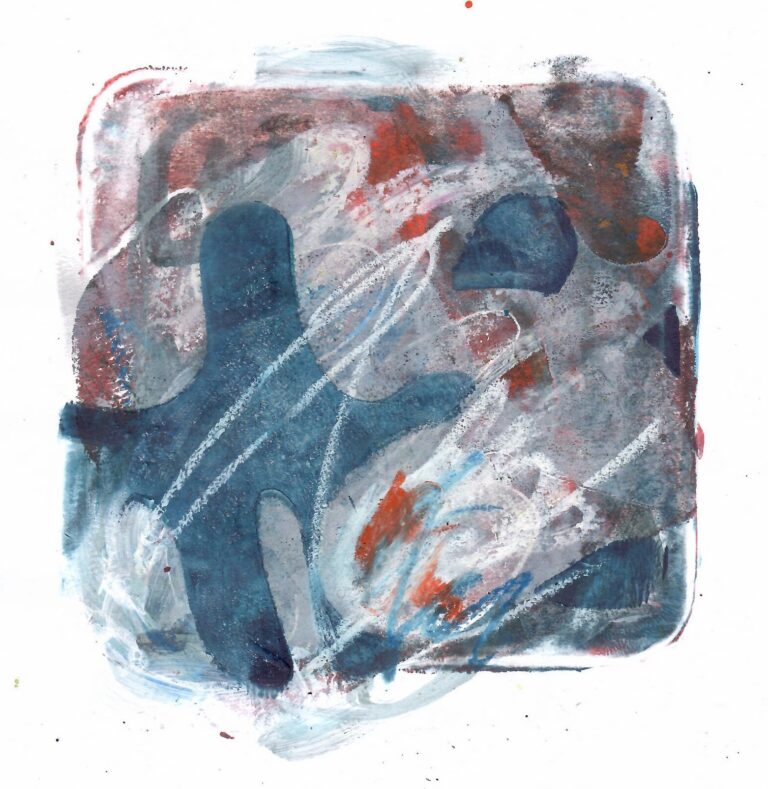
Art has always been my refuge. My drawings are where I pour out the unspoken emotions—the shadows, the questions, the longing. But the more I drew, the more I realized that I was still fragmented. My art mirrored the disconnect I felt within, reflecting a soul yearning to understand itself.
Then came the writing. I began keeping a diary in 5th grade, a quiet, personal act that became my anchor. Writing allowed me to confront the overwhelming external pressures I faced, but it did more than that—it opened a door. It became my path to the subconscious, my entry into a world where the fragmented pieces of myself could start to come together. Writing helped me tap into something deeper, something Carl Jung described as the unconscious—the vast reservoir of symbols, dreams, and archetypes that shape who we are.
Journaling was my bridge to these unseen realms, where I could connect with the archetypes that reside within all of us. In the act of writing, I discovered that I wasn’t alone in my struggles. The archetypes—such as the Hero, the Shadow, the Anima/Animus—revealed themselves to me, guiding my understanding of my inner world. I could see how my own story mirrored the greater human journey, how the universal patterns of experience were at play in my life.
Through this process, I began to understand the subconscious mind—the hidden forces that shape our behaviors, dreams, and desires. My journal became a map of these internal landscapes, where dreams and symbolism wove themselves into a narrative of self-discovery. Jung believed that through exploring the unconscious, we could integrate the various parts of ourselves and become whole. Writing, for me, became the key to this integration—a way to connect to everything, to feel part of the greater web of human experience.
I also realized that this process wasn’t just for me. It was about ensuring that my story, and the wisdom I gained, wasn’t lost to time. My name, my dreams, my struggles—they are all part of a larger tapestry. I wanted to pass down not just my story, but the tools to connect with the deeper layers of existence, the hidden dimensions of the psyche, and the universal symbols that bind us all.
I don’t want future generations to feel as I did—disconnected from the past, unaware of their roots. I want them to have the tools to explore their inner worlds, to confront their shadows, and to understand the symbolism in their dreams. Writing is more than a personal act—it’s a way of preserving our connection to the larger narrative of humanity.
Through journaling, we journey inward, and in doing so, we begin to feel connected to everything. We uncover the archetypes that have guided human experience for millennia. We realize that we are not isolated, but part of a grand story, one that stretches across generations. Through writing, we create a legacy—a thread that connects us not only to our past but also to our future.
The Archetypes and Their Role in Art and Self-Expression
This is why I create. This is why I share my journals and prompts. Writing isn’t just about expressing our present selves—it’s about delving into the subconscious, unlocking the archetypal patterns that shape us, and leaving a legacy that future generations can draw from.
Carl Jung’s concept of the collective unconscious reminds us that we all share a deep connection to universal archetypes—patterns and symbols that transcend time, culture, and personal experience. By going within, we have the opportunity to discover which archetypes resonate most with us. These archetypes are not just psychological constructs—they are the raw material from which we can create art that is true to who we really are.
When we align ourselves with these archetypes, we tap into a source of creative power. As artists, we can channel these universal symbols and bring them to life in our work, creating art that speaks not only to our own souls but to the collective experience of humanity. Writing, then, becomes not just a tool for self-exploration, but a way to engage with the archetypal energies that shape our art, our stories, and our lives.
Through journaling, we connect to the eternal. We find the threads that link us to the past, to our ancestors, and to the archetypal forces that reside within us. And through this connection, we create art that is not only deeply personal but universally meaningful.
This is why I believe in journaling as a creative practice—it’s a doorway to the subconscious, a map of the inner world, and a way to tap into the power of archetypes. It’s through this process that we can truly find our place, not just in our own lives, but in the grand, collective narrative of humanity.
 English